
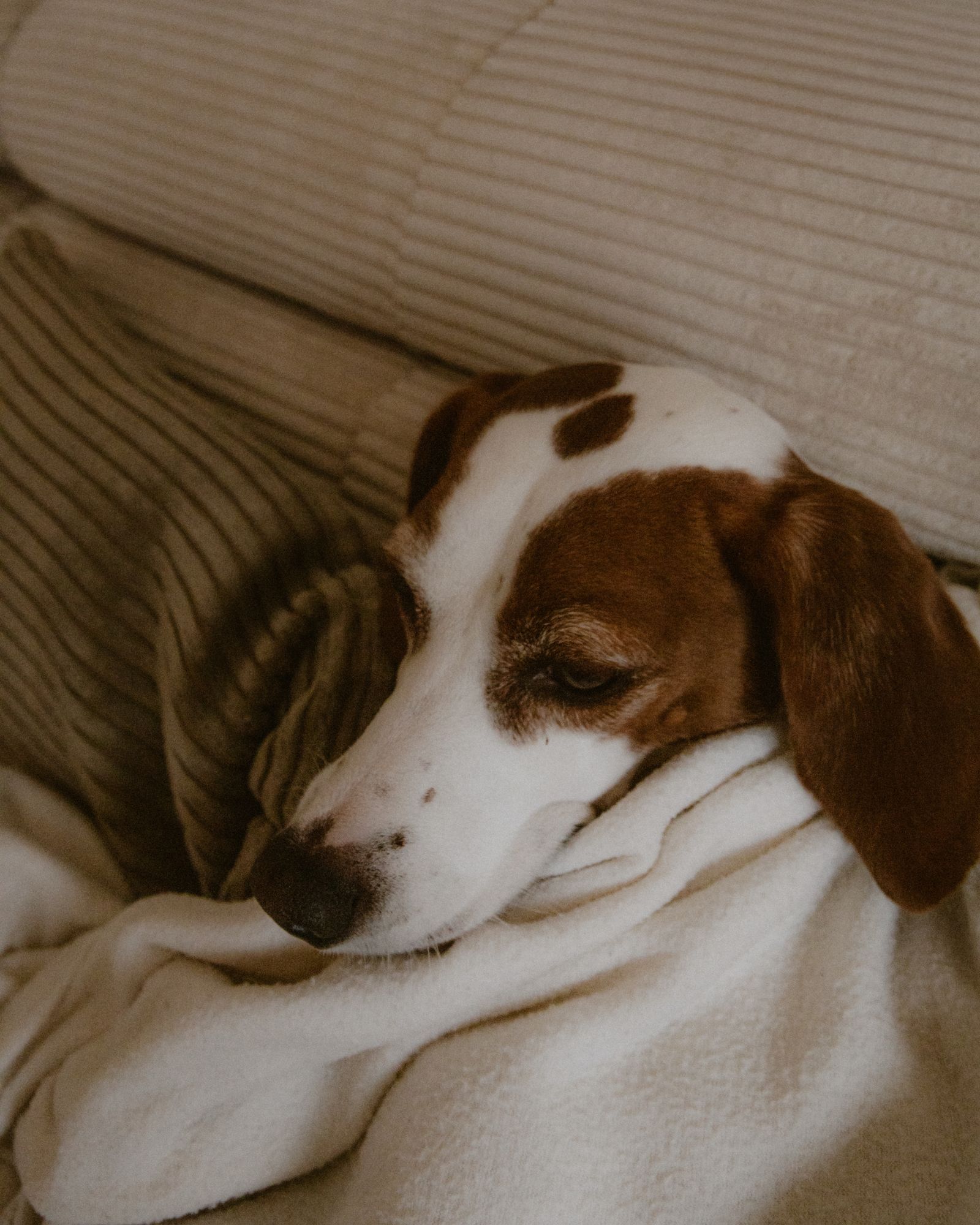
Fireworks frighten many dogs and cats because the sudden noise and flashes feel like an unexplained threat. Westlake and Daly City pet owners can help by bringing pets indoors before dark, building a quiet retreat away from windows, keeping identification current, and asking the veterinary team about calming support for pets with severe noise anxiety.
The Fourth of July is one of the most exciting nights of the year for people and one of the most stressful for pets. Every year around the holiday, shelters across the Bay Area report a spike in lost dogs and cats who bolted in a panic during fireworks. For many pets in the Westlake area of Daly City, the sudden booms, bright flashes, and unfamiliar smells trigger real fear. The encouraging news is that a little preparation goes a long way toward a calmer night.
Why Fireworks Frighten Dogs and Cats
Pets experience the world through hearing and smell that are far more sensitive than ours. Fireworks are loud, unpredictable, and impossible for an animal to interpret, since there is no warning and no pattern to follow. To a dog or cat, the noise can feel like a threat with no clear source, which sets off a powerful fight-or-flight response.
Signs of noise anxiety include pacing, trembling, panting, drooling, hiding, clinging to you, or trying to escape through a door, window, or fence. Some pets bark or howl while others go very still and withdrawn. Recognizing these signs early lets you respond with calm reassurance instead of waiting until your pet is in full panic, which is much harder to settle.
How to Prepare Your Home Before the Fireworks Start
The single most important step is to keep your pet indoors well before dark, even if they usually spend evenings in the yard. Once inside, set up a quiet retreat such as a small room or a covered crate, placed away from windows, with familiar bedding and a favorite toy. Closing the curtains and playing soft music or a television helps mask both the sound and the flashes.
Make sure identification is current before the holiday arrives. Check that collar tags are readable and that microchip details are up to date, because that is your best safety net if a frightened pet slips out. If your pet has never been microchipped, ask about it at your next wellness visit. Give your dog plenty of exercise earlier in the day so they are naturally more relaxed by evening, and try to stay calm yourself, since pets take emotional cues directly from their owners.
Simple Calming Strategies That Work
Beyond a quiet room, a few small techniques can make a real difference. Background noise such as a fan, white noise, or steady music helps blunt the sharp cracks of fireworks. Snug-fitting anxiety wraps suit some dogs, and long-lasting chews or food puzzles can redirect nervous energy into something soothing. Staying home with your pet when possible is often the most reassuring step of all.
It also helps to act early in the evening rather than waiting for the first loud bang. Bring pets in, settle them into their space, and start the background noise before dusk. A pet that is already calm and occupied when the fireworks begin copes far better than one that is startled into fear and then asked to settle afterward.
When Anxiety Needs a Veterinarian’s Help
For some pets, environmental changes alone are not enough. If your dog or cat has severe noise phobia, panicking to the point of injuring themselves, damaging their surroundings, or refusing to settle no matter what you try, it is worth talking with our team. Through our medical services we can discuss safe, appropriate options, including calming aids that are far gentler than letting a pet suffer through the night in fear.
These conversations work best in the days before the holiday rather than the evening of, so there is time to plan. And if a pet is injured or in distress during the festivities, our urgent care team is here to help during business hours.
Want a calmer Fourth of July for your pet this year? Explore the options on our medical services page, or call us at (415) 859-5676 to make a plan before the holiday.
Frequently Asked Questions
Should I comfort my dog during fireworks, or does that reinforce the fear?
You can absolutely comfort your pet. Calm, steady reassurance does not reward fear, it helps your dog feel safe. Just avoid anxious or frantic energy yourself, since pets pick up on it quickly.
Can I give my pet a human calming medication?
No. Never give human medications without veterinary guidance, because many are unsafe for pets. Our team can recommend products and approaches that are appropriate for your specific pet.
My cat hides during fireworks. Should I pull them out to comfort them?
No. Hiding is a healthy coping behavior for cats. Provide a safe hiding spot and let your cat choose when to come out on their own.
How early should I bring my pet indoors?
Bring pets in before dusk, well ahead of when fireworks usually begin. This prevents a startled escape and gives them time to settle into a quiet space.
What should I do if my pet runs away during fireworks?
Begin searching right away, contact local shelters, and confirm your microchip and tag information are current. Updated identification dramatically improves the chances of a safe reunion.