
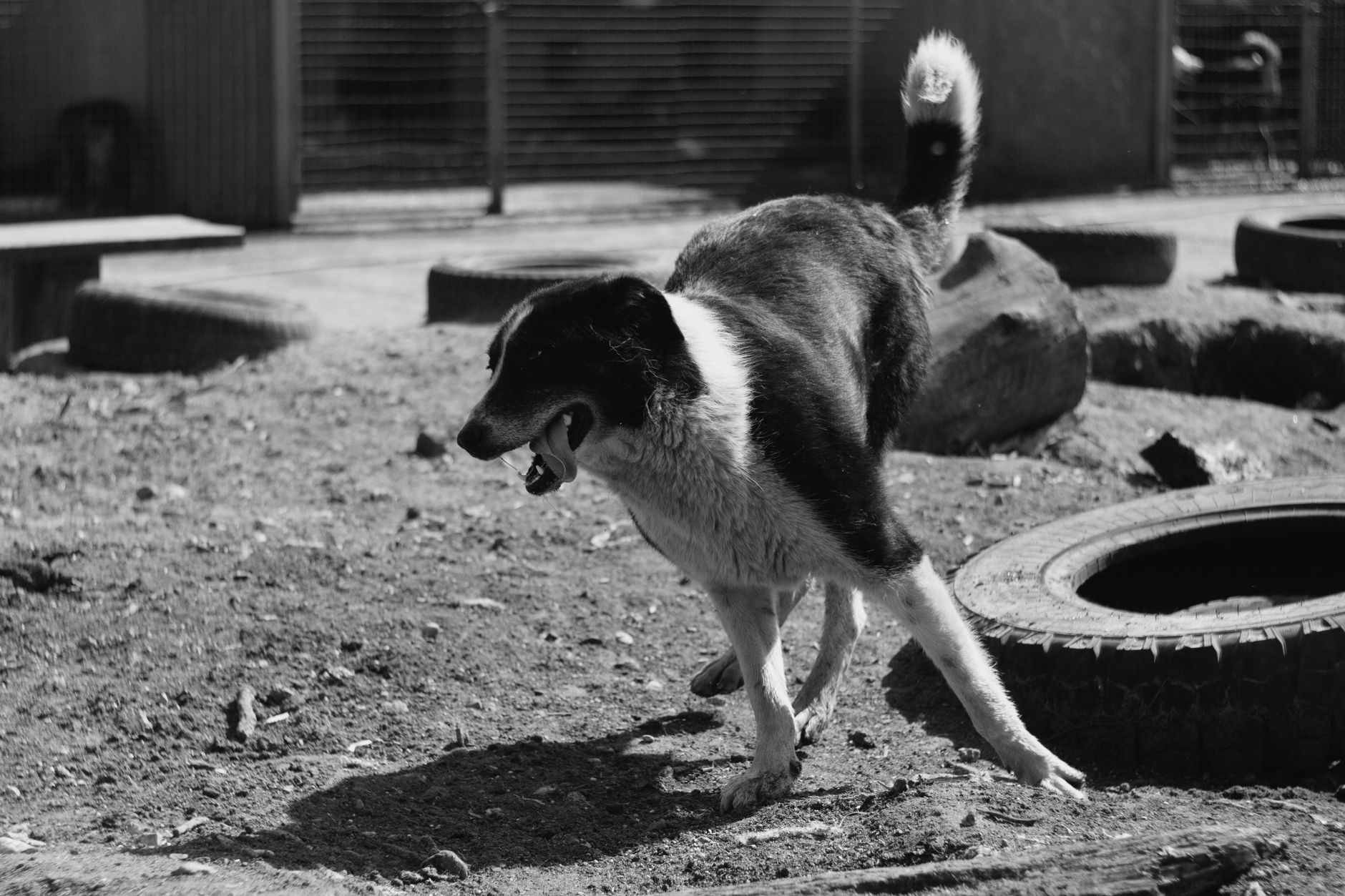
Daly City sits beside the San Andreas Fault, and a strong earthquake can strike at any hour without warning. Pets bolt or hide when the ground shakes, and many injuries and escapes follow through broken glass and damaged fences. A carrier for every cat, a week of supplies, current ID and a plan for the first hour matter most.
Why this belongs on a Daly City to-do list
The San Andreas Fault meets the ocean at Mussel Rock, a short distance along the coast from Westlake. Many residents still remember the Loma Prieta earthquake of October 17, 1989, and scientists consider another large Bay Area earthquake in the coming decades more likely than not. October is also when the statewide ShakeOut drill takes place, which makes it a natural month to get the household ready.
The good news is that nearly everything that protects a pet in an earthquake can be done on one weekend afternoon. This guide follows the order in which you would actually need it.
Before: one Saturday afternoon
Identification
- Look up your pet’s microchip record and confirm the phone number on it is one you still answer. Many are still linked to an old number or a previous owner.
- Put a collar and tag with your cell number on every dog, and a breakaway collar with a tag on indoor cats too. Frightened indoor cats slip out through damaged doors and windows.
- Take a clear, current photo of each pet, and one of you with them, which helps prove ownership at a shelter.
The supply bag
- At least a week of food and water for each pet, since services can take time to return after a major quake
- Bowls, a can opener if you use canned food, and a spare leash and harness
- For cats: a small disposable litter box, litter and a scoop
- Waste bags, paper towels and a blanket or towel for each pet
- Copies of vaccination records, and notes on anything your pet needs each day, plus a week’s worth of it
- Our phone number and the number of the nearest emergency hospital, on paper as well as in your phone
Store the bag beside your usual exit, not at the back of the garage.
Carriers
Every cat needs its own carrier, and it needs to be somewhere you can reach in the dark. If your cat only sees the carrier on the way to the vet, it will vanish the moment the carrier appears. Leave it out with a blanket inside for a few weeks so it becomes part of the furniture.
The house
- Anchor bookcases and tall furniture, especially near pet beds.
- Move heavy objects, frames and mirrors away from where pets sleep.
- Keep a dog crate away from windows and glass doors.
- Place fish tanks and cages on low, stable surfaces.
- Note where each pet hides when startled. That is where you will be looking.
A plan for when you are not home
Many Daly City residents work in San Francisco or down the Peninsula, and roads can close after a quake. Agree with a neighbor you trust that whoever gets home first checks on the other’s pets, and give them a key and a note with your pets’ names, hiding spots and your number.
During the shaking: look after yourself first
Drop, cover and hold on. Do not chase or grab a pet while the ground is moving. A terrified animal can bite or scratch, and running across a room full of falling objects puts you at risk. Your pet will find somewhere to hide, and you can find them once it stops.
The first hour
- Put on shoes before you move around. There may be glass on the floor.
- Find each pet. Start with their usual hiding spots. Speak calmly and move slowly.
- Check for injuries. Look at paws for cuts from glass, watch for limping, and check breathing. Bleeding that will not stop with gentle pressure, trouble breathing, or a pet who cannot stand needs to be seen right away.
- Leash dogs, even inside. Doors, gates and fences may no longer close properly, and aftershocks can send a dog running.
- Confine cats. Put them in a carrier or a small closed room while you check the house.
- If you smell gas, get everyone out, pets included, without flipping switches or using anything that could spark, and call 911 or the gas company once you are away from the house.
The first three days
Aftershocks are common, and each one can set off the same fear. Keep dogs leashed outside and cats indoors until fences and windows are checked. Do not let pets drink from puddles or standing water, which may be contaminated.
Stick to feeding times and routines as closely as you can. Expect some pets to hide, eat less or have accidents for a day or two. Book a check for any cat that goes a full day without eating. A cat who strains in the litter box, or has not passed urine in a day, needs to be seen right away, especially a male cat, because stress can trigger a urinary blockage.
The fear response that sends a dog running during an earthquake is the same one that shows up on the Fourth of July. Our guide to keeping your pet calm during fireworks in Westlake has practical ideas that help after a quake as well.
If you have to leave home
Take your pets with you. A home that is not safe for you is not safe for them, and you may not be allowed back for days. Not every emergency shelter can house pets, so line up somewhere to go ahead of time, such as a friend or relative farther away, or a hotel that accepts pets.
When to call us
Phone our emergency and urgent care team for cuts, limping, breathing problems, a pet who was trapped or struck by something, or a pet who went missing and came back. If stress shows up days later as a cat who will not eat, our medical services team can help. If we are closed or the roads are blocked, go to the nearest open emergency hospital. For the preparation side, bring the checklist to a wellness program visit and we can scan your pet’s microchip and bring records up to date.
Frequently asked questions
Should I try to grab my pet when the shaking starts?
No. Protect yourself first. Chasing a frightened animal during shaking puts you both at risk of injury. Find your pet once the shaking stops.
How much water should I store for my pet?
Plan for at least a week. Larger dogs drink a lot more than cats, so store more for them, and remember that water for rinsing wounds and bowls adds up too.
My cat has been hiding since an aftershock. Is that normal?
Hiding is a normal way for cats to cope. Make sure food, water and a litter box are close to the hiding place. If she skips food for a whole day, bring her in. If she strains in the litter box or passes no urine, phone us right away.
What if I am at work in the city when it happens?
That is why the neighbor plan matters. Arrange it now, write down your pets’ details, and keep a key with someone nearby who can check on them.
Do I need to do anything with my pet’s microchip?
Make sure the record carries a phone number you still use. It takes minutes, and a current microchip record is often what gets a lost pet home after a disaster.
Are small pets like rabbits and birds included?
Yes. They need their own carrier or cage, a week of food, and protection from temperature swings and dust. Include them in the plan and the supply bag.
Speak to the team at Daly City Pet Hospital
If you want help getting your pets ready, or your pet has been hurt after an earthquake, phone us, or go to the nearest open emergency hospital if we are closed.
Published by the team at Daly City Pet Hospital.
This article is for general educational purposes only and is not a substitute for an in-person veterinary examination or advice about your individual pet. If you have an urgent concern about your pet, contact Daly City Pet Hospital or your nearest emergency veterinary hospital right away.
Daly City Pet Hospital
170 Skyline Plaza, Daly City, CA 94015
Phone: (415) 859-5676
Hours: Open every day 8:00 AM to 7:00 PM